A floor plan describes geometry. An operating route must also describe people, access, changing conditions and a safe way to stop.
Walk it with the shift team
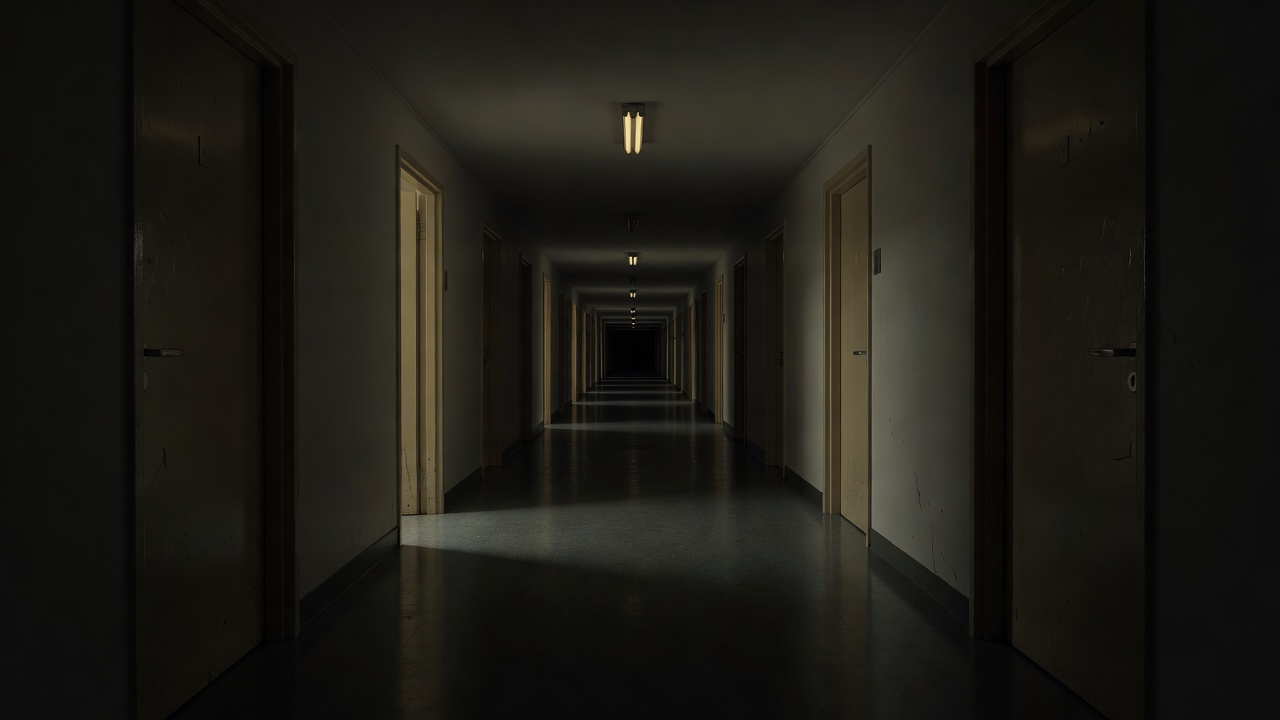
Take the housekeeping supervisor, a night-duty representative and a facilities colleague along the proposed route. Visit at the time the machine would actually operate. A corridor that looks empty in the afternoon can carry luggage, room-service trolleys and late arrivals after midnight. Mark temporary obstacles as well as permanent features, and ask staff where congestion regularly occurs.
Record the usable path rather than the wall-to-wall width alone. Door swings, housekeeping carts, seating, extinguisher cabinets and guests waiting outside rooms change the space available. Check the manufacturer's clearance requirements for the exact machine, but do not treat a minimum technical clearance as proof of comfortable or accessible passage for people.
Identify perception limits
Ask the supplier to explain which sensors the machine uses and where they can fail. Glass, mirrors, dark surfaces, direct light, hanging fabric and small objects may affect different sensing systems in different ways. Do not generalise from another model's performance. Include representative furnishings and lighting conditions in a controlled test without creating a hazard for guests.
Thresholds, carpet edges and floor transitions deserve their own notes. A small change that a person barely notices can interrupt travel or cleaning contact. Verify gradients, drop-offs and permitted floor conditions against the instructions. Never test fall prevention by sending equipment towards an unprotected stair edge. Establish exclusions and physical controls where the risk assessment requires them.
Navigation accuracy and cleaning reach are separate questions. The robot may pass a recess without cleaning it or travel around chair legs while leaving a visible margin. Draw those areas into the manual follow-up plan. A clean-looking route graphic should not conceal an untended edge along guest-room doors.
Treat doors and lifts as interfaces
Fire doors, access-controlled doors and service lifts are building systems, not convenient obstacles to remove. Never wedge a fire door open or bypass an interlock for a trial. Consult the responsible facilities team, relevant local requirements and the building's fire-safety arrangements. A route that only works by weakening another safety measure is not a suitable route.
Lift automation requires an explicit assessment of the proposed interface, permissions, communications and behaviour when the lift is occupied or unavailable. Establish what happens if connectivity drops between floors or the machine cannot leave the landing. Confirm that a human can recover it using the manufacturer's procedure without obstructing circulation or entering restricted machinery spaces.
For a first trial, a single-floor zone often reduces the number of interacting systems. That is a scoping decision, not a universal product limitation. Expand only when the hotel has evidence for the exact arrangement, including an agreed response outside normal engineering hours.
Plan docking and connectivity
Place the dock where it will not narrow an escape route, introduce a cable trip hazard or interfere with service work. Check electrical requirements, ventilation, battery instructions and any water or drainage connections with competent staff. Allow room for inspection and maintenance. A hidden dock that nobody can reach easily may make routine checks less likely.
Map the network requirements as carefully as the physical route. Ask which functions continue without Wi-Fi, where maps and logs are stored, how updates are authenticated and who can access remote controls. If cameras capture identifiable people, involve the privacy owner before deployment. The European Data Protection Board and Finland's Office of the Data Protection Ombudsman provide relevant data-protection guidance.
Write the route exceptions
For each likely interruption, specify a safe state, an alert destination and a recovery owner. Examples include a blocked passage, a spill, a guest complaint, a low battery, a full recovery tank or an inaccessible dock. Staff should know when to stop the task completely instead of repeatedly restarting a machine into the same problem.
Public guidance from the UK's Health and Safety Executive and the US Occupational Safety and Health Administration can help frame workplace transport, slips and housekeeping risks, although local law and product-specific instructions govern your operation. ISO 3691-4 addresses driverless industrial trucks; it is not a universal certification standard for every cleaning robot. Avoid importing requirements or assurances from an unrelated equipment category.
Finish with a versioned route record: permitted times, exclusions, checkpoints, dock location, network dependencies and the manual completion method. Recheck it after refurbishment, furniture changes or revised night procedures. The corridor is an evolving workplace, not a map that becomes permanently safe once saved.