Before comparing machines, write down the exact operation you want completed. A floor-cleaning route is not the same thing as a clean, inspected and released guest area.
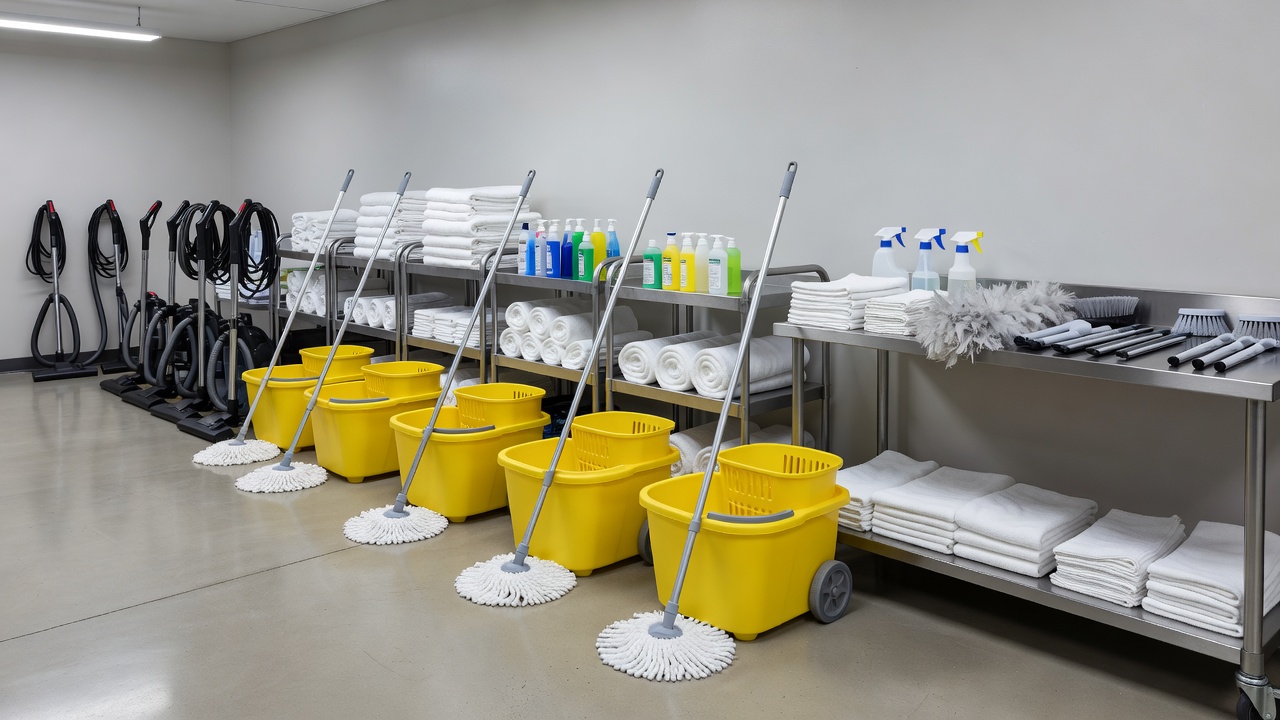
Start with an observable outcome
Describe the current job in language a supervisor can verify: remove visible dry debris from the accessible carpeted corridor, including agreed edge areas, within a permitted operating window. Name what is excluded. A mapped route might omit recesses, the space behind a trolley or a section beside an open guest-room door. Those omissions need an owner rather than a convenient assumption.
Observe the manual process before changing it. Note furniture movement, spot treatment, cable management, guest interactions and the final check. Record whether these activities happen on every pass or only after an exception. Otherwise, the proposed automated operation may appear efficient because necessary work has quietly disappeared from the comparison.
Separate the cleaning methods
Dry vacuuming, sweeping and wet scrubbing have different inputs and different failure modes. Verify the manufacturer's instructions for the actual floor construction, pile, grout, finish and transitions. A machine suitable for one hard surface may damage another or leave an unacceptable film when used with the wrong chemical or pad. Test a representative area with permission before routine use.
Wet cleaning also introduces the question of when people can safely use the floor. Agree how the area will be controlled, who checks residual moisture and what happens if recovery performance deteriorates. A robot returning to its dock does not establish that the surface is dry. Chemical dilution, storage and staff exposure still require the property's normal controls.
Do not combine cleaning and disinfection in a single unexamined claim. The World Health Organization and the European Centre for Disease Prevention and Control distinguish cleaning from infection-control measures. Where a vendor proposes automated airborne chemical disinfection, EN 17272 concerns a specific efficacy-testing context; it is not blanket approval for occupied hotel operation. Obtain specialist advice for the proposed method.
Write a task contract
Use a short task card that accompanies the machine and the shift plan. State the starting condition, permitted action, stop conditions and acceptance criteria. Include the allowed surface, route version, consumables, expected access conditions and named responder. Keep the document usable at night: a new supervisor should understand the boundary without interpreting a sales presentation.
The starting condition might require loose objects removed, no trailing cables, a checked recovery tank and clear access to the dock. Stop conditions might include liquid of unknown origin, damaged flooring, repeated navigation faults or a guest entering a controlled wet-cleaning area. Never ask a robot to investigate a spill that staff would treat as a biological, chemical or sharps hazard.
Task-card rule: if the operation cannot finish safely, it must leave an intelligible record of what remains. “Mission ended” is not an adequate handover description.
Keep room servicing distinct
Hotel rooms combine delicate objects, personal belongings, variable layouts and detailed quality requirements. Ordinary autonomous floor equipment does not make beds, replenish amenities, identify every maintenance defect or decide how to handle a guest's possessions. Even where a room floor can be cleaned with a machine, access permission and the final room inspection remain separate controls.
Ask staff which work could realistically be rescheduled if a route succeeds. Minutes removed from several scattered tasks may not become a useful block of available time. Conversely, a reliable corridor run may help a team protect a fixed inspection window. The relevant benefit is a better organised shift with maintained standards, not a theoretical disappearance of labour.
Check evidence, not labels
Request safety and use documentation for the exact configuration offered. IEC 63327 addresses automatic floor-treatment machines for commercial use; ISO 12100 provides machinery risk-assessment principles. Whether a particular standard applies depends on the product and its intended use. A reference to ISO 13482, which addresses personal care robots, should not be accepted as proof that every hotel cleaning scenario has been covered.
Bring the equipment supplier, housekeeping lead and property safety owner into the same review. In Finland, the Finnish Safety and Chemicals Agency, Tukes, is a useful starting point for product-safety information, while the Finnish Institute of Occupational Health provides workplace-risk guidance. Neither should be presented as endorsing a specific machine merely because their guidance informs your assessment.
Finish this stage with one bounded candidate task and a documented manual fallback. Then walk the actual route. A well-defined task can still fail when the corridor, doors or guests behave differently from the demonstration environment.